

In 2026, luxury belts are no longer just functional accessories—they have become a key element of fashion identity and brand storytelling. From runway styling to everyday outfits, belt design plays a central role in defining modern luxury aesthetics.
For brands working with a belt supplier, staying ahead of design trends is essential to remain competitive. At the same time, demand for custom belt manufacturing continues to grow as brands seek more personalized and differentiated product lines.
This article explores the Top 5 luxury belt patterns shaping high-end fashion in 2026, providing insights for both retail development and private label collections.
Why Belt Patterns Matter in Luxury Fashion
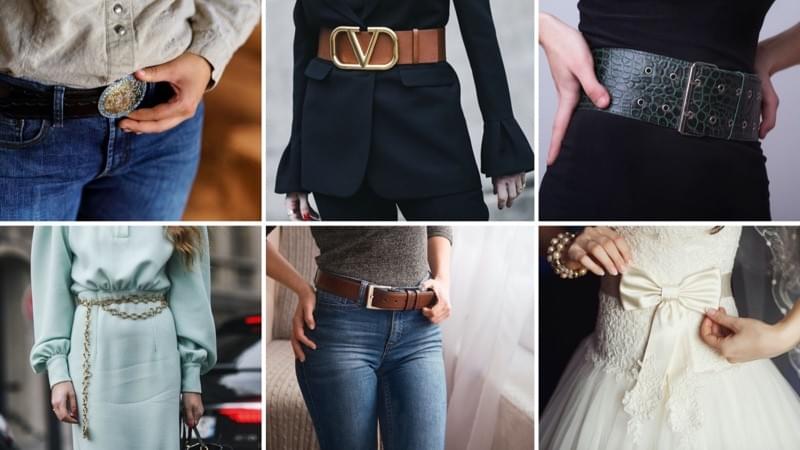
Belt patterns are a powerful visual language in luxury fashion. A well-designed pattern can instantly communicate craftsmanship, exclusivity, and brand identity without relying heavily on logos.
From my perspective working closely with fashion brands and production teams, I've seen how even a small change in texture or embossing depth can completely shift how a belt is perceived in the market. In many cases, clients don't just ask for a product—they ask for a “feeling” that the pattern delivers.
In the belt wholesale market, pattern differentiation helps products stand out in a highly competitive landscape. Meanwhile, in fashion belt customization, design details directly influence perceived value and customer preference.
For both men's and women's belts, patterns have become a key factor in purchase decisions, especially in premium retail segments.
Top 5 Luxury Belt Patterns in 2026
Classic Monogram Reimagined
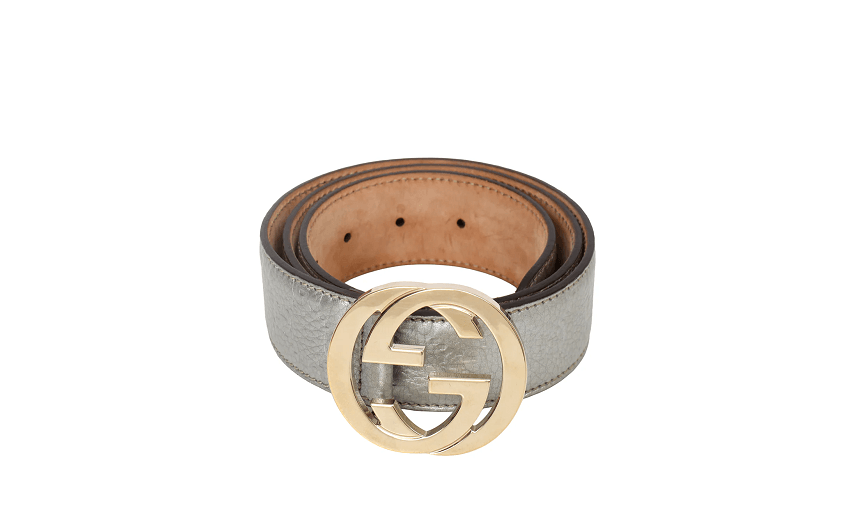
The monogram pattern remains one of the most iconic elements in luxury fashion. In 2026, it is being reinterpreted in a more subtle and refined way, using micro-embossed textures and tone-on-tone effects.
This direction is especially popular in custom belt manufacturing, where brands aim to maintain identity while elevating sophistication. It also performs strongly in women's belts, offering elegance and versatility.
Geometric Minimal Grid Patterns
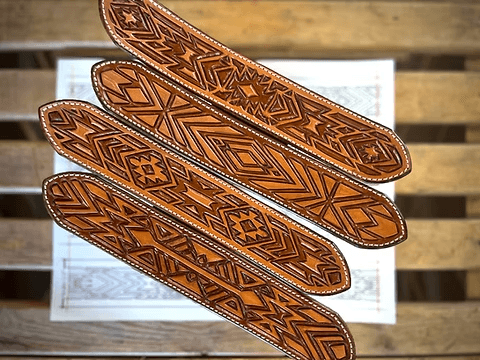
Geometric grid patterns reflect modern minimal aesthetics, focusing on structure, balance, and clean visual rhythm. These designs are widely used in contemporary luxury accessories.
Many belt suppliers now offer geometric embossing solutions for brands targeting urban and professional markets. In belt wholesale, this pattern is valued for its strong commercial adaptability across multiple segments.
Exotic Texture-Inspired Patterns
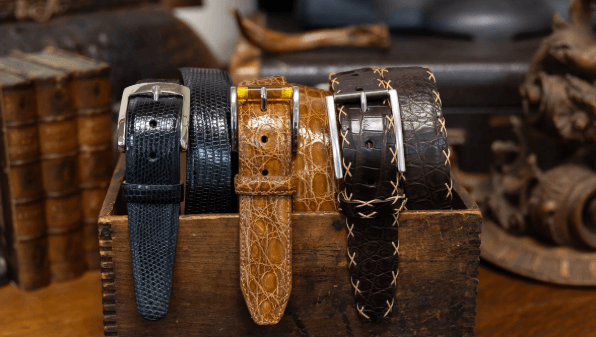
Crocodile, snake, and other exotic textures continue to dominate the luxury segment, but the trend is shifting toward more realistic embossing and refined surface detailing rather than high-gloss finishes.
These textures are especially important in high-end custom belt manufacturing, where material perception defines product value. In the women's belts category, softer exotic textures are increasingly preferred for a more elegant look.
Art-Inspired Abstract Patterns
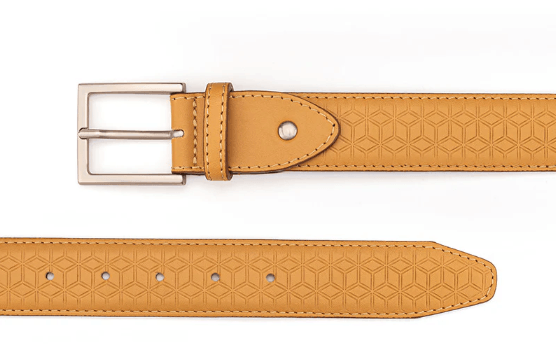
Abstract patterns inspired by painting, fluid movement, and artistic expression are becoming increasingly popular in fashion-forward collections. Each design feels unique and expressive, almost like wearable art.
This trend is highly suitable for fashion belt customization, especially for brands developing seasonal or limited-edition collections. It also gives belt suppliers more flexibility in using digital printing and hybrid craftsmanship techniques.
Heritage Weave & Embossed Craft Patterns
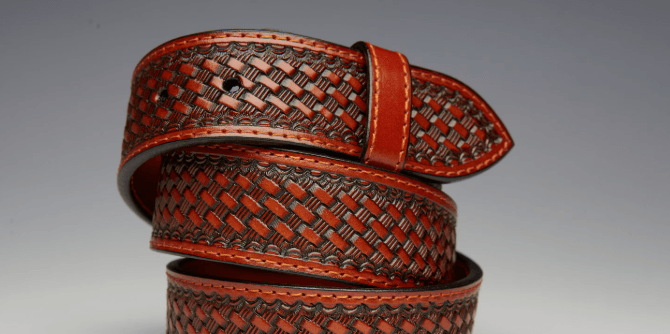
Heritage-inspired weaving and embossed textures highlight traditional craftsmanship while integrating modern design techniques. These patterns often carry strong cultural storytelling elements.
In belt wholesale, heritage styles remain highly popular due to their timeless appeal. For custom belt manufacturing, they provide a strong foundation for long-term product lines focused on authenticity and craftsmanship.
Material & Craftsmanship Behind These Patterns
Luxury belt patterns depend heavily on material innovation and craftsmanship. Full-grain leather, vegan leather, and hybrid materials are all shaping modern custom belt manufacturing processes.
Advanced techniques such as embossing, laser engraving, and digital printing allow belt suppliers to achieve high precision and complex textures while maintaining production efficiency and scalability.
Case example:
One European fashion brand wanted to develop a premium women's belt line with a “soft luxury” identity. By combining micro-embossed monogram patterns with matte vegetable-tanned leather, the final product achieved a subtle yet highly recognizable texture. Through collaboration with a belt supplier, the brand reduced sample development time by 30% while improving consistency across small-batch production in their belt wholesale line.
How Bag Brands Can Choose the Right Belt Pattern
Choosing the right belt pattern depends on brand positioning and target audience. Minimal geometric styles suit modern urban brands, while heritage and exotic textures are better for premium or classic positioning.
In belt wholesale strategies, offering multiple pattern directions helps expand market reach. For women's belts, softer textures and refined detailing generally perform better in retail environments.
Custom Manufacturing Trend: The Rise of OEM/ODM Luxury Belts
Customization has become a key growth driver in the belt industry. More brands are partnering with OEM/ODM factories to develop exclusive collections that reflect their unique identity.
Strong custom belt manufacturing capabilities allow full control over design, materials, and finishing. At the same time, experienced belt suppliers ensure quality consistency, scalability, and efficient production management.
Conclusion
The 2026 luxury belt pattern trends highlight a clear direction toward simplicity, craftsmanship, and individuality.
For brands working in fashion belt customization or expanding their women's belts collections, understanding these trends is essential for building competitive and long-lasting product lines. In today's market, belt patterns are no longer just decoration—they are a core part of brand identity.