

Have you ever received your first belt sample and felt disappointed?
The leather feels different from what you imagined. The buckle looks heavier than expected. The edge paint cracks after bending.
You start wondering
Is it the factory's fault
Is it my tech pack
Or is belt manufacturing more complicated than it looks
The truth is simple
Most first samples fail not because the factory is careless, but because belts are technical products.
At Sunteam, we are an experienced belt manufacturer and leather belt factory serving brands across Japan and Europe. We understand that a successful custom belt development process depends on structure, engineering, and communication — not guesswork.
Why First Belt Samples Often Fail
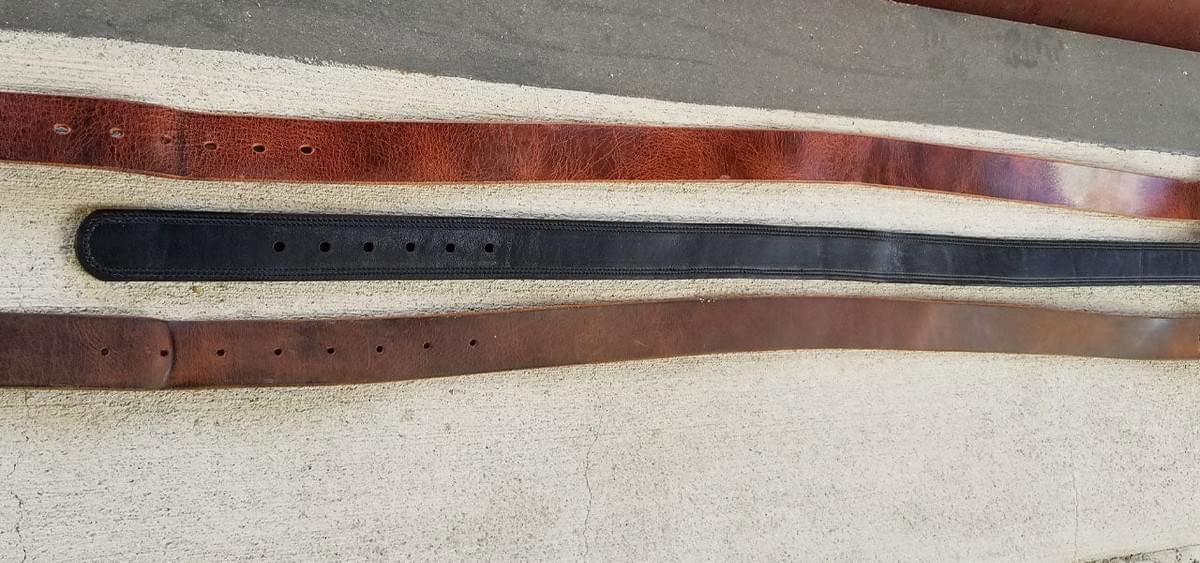
1. Leather Thickness Is Misjudged
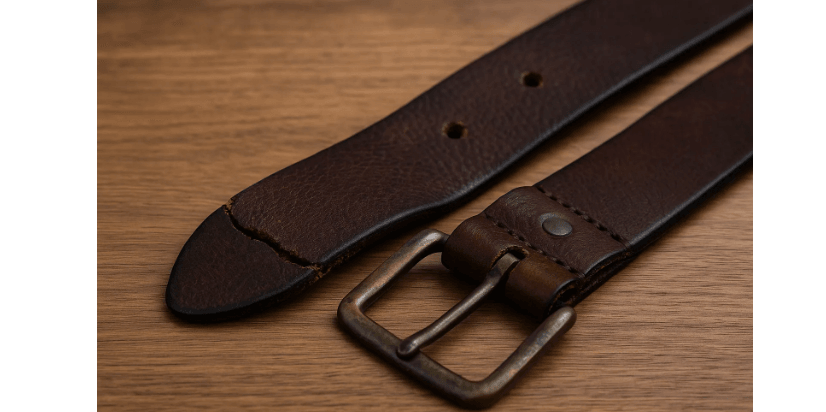
Many brands select leather based only on appearance. But a belt is a structural product.
Too soft → deformation
Too stiff → discomfort
Too thin → hole wrinkling
Too thick → buckle misalignment
Without proper structural planning, even premium leather can fail in OEM belt production.
2. Buckle and Strap Are Not Engineered Together
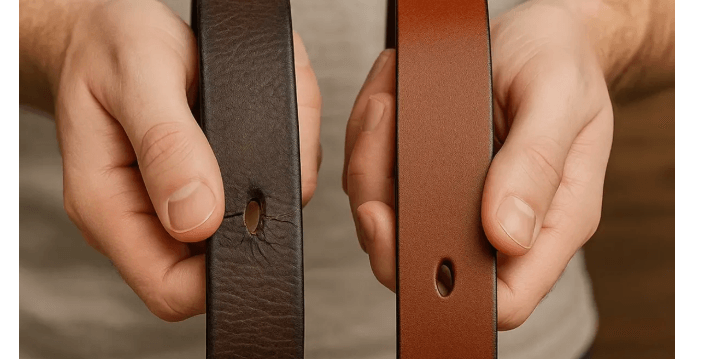
Belts are mechanical systems.
Buckle weight, plating thickness, screw distance, and strap core must be designed together. If hardware is sourced separately from the strap, compatibility problems appear during belt sampling.
This is a common issue in private label belt development.
3. Edge Finishing Is Underestimated
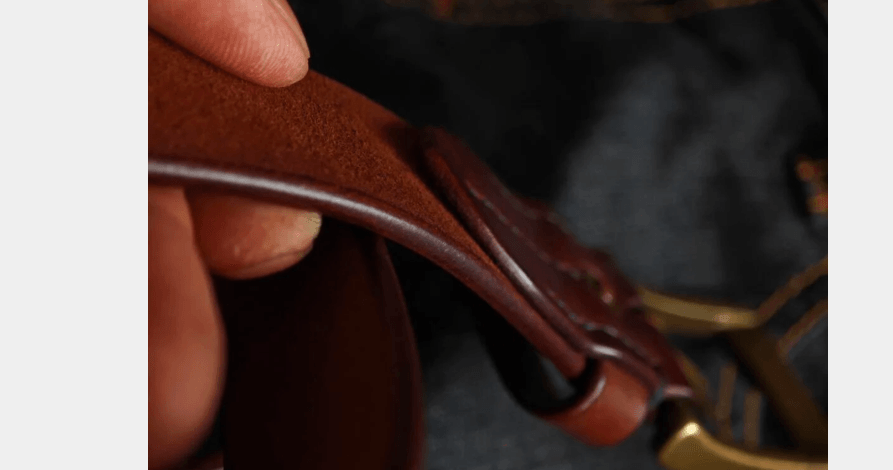
Edge cracking is one of the most frequent problems in leather belt sampling.
It is not just about paint quality. It involves:
Leather fiber density
- Sanding sequence
- Drying time
- Layer control
- Humidity stability
- Professional belt quality control must simulate real bending stress before bulk production.
4. Communication Gaps in Belt OEM Projects
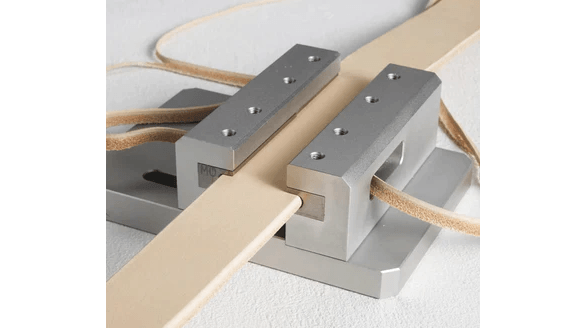
Many apparel brands entering the belt category lack technical standards such as:
Tolerance limits
- Wearing durability expectations
- Target market performance level
- Without these details, even an experienced belt OEM factory must make assumptions. Assumptions lead to revisions.
A Real Case — From Tokyo Exhibition to Long-Term Partnership
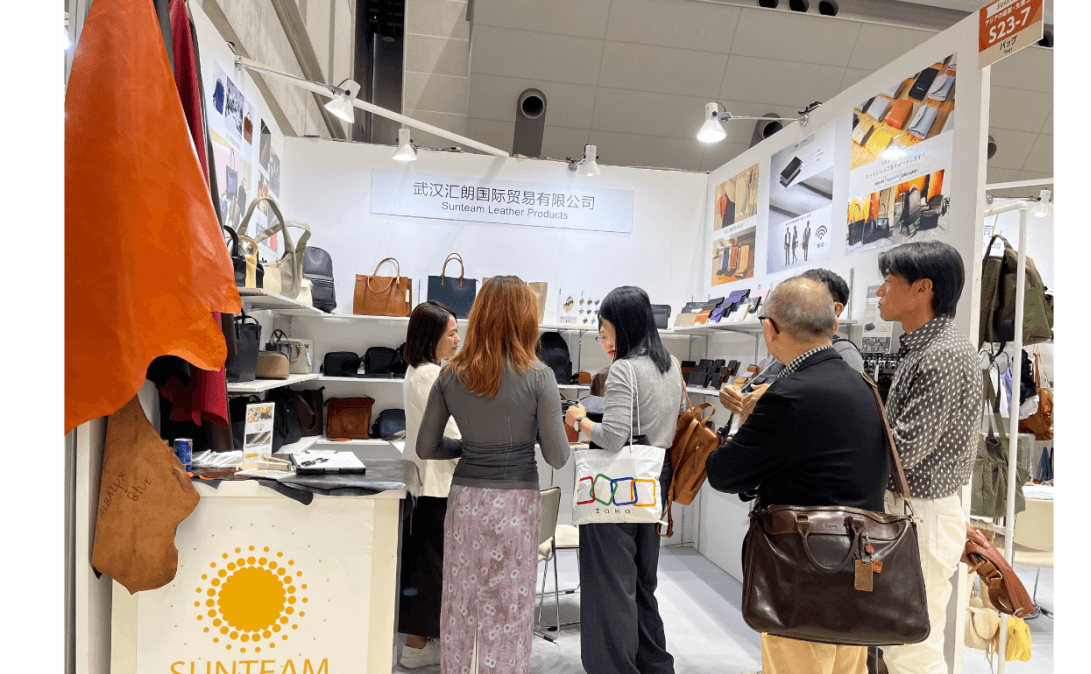
Last year at a Tokyo trade exhibition, a Japanese apparel client visited our booth. They were impressed by one of our structured leather belts. The finishing, stitching precision, and durability stood out immediately.
They told us honestly
“We have never developed belts before.”
They were experienced in garments but completely new to custom leather belt manufacturing.
After the exhibition, they decided to launch their own private label belt collection. That is when real development began.
Sampling Conflicts During Development
Issue 1 — Soft Feel vs Structural Stability

The client wanted extremely soft leather, similar to garment leather.
However, belts require reinforcement. Without internal support, stretching occurs after months of wear.
If we had followed the request without explanation, the final product would fail in the market.
As an experienced belt manufacturer, we:
Showed cross-section structure samples
- Explained core layer reinforcement
- Balanced softness with durability
- We added a reinforced inner layer while maintaining the desired hand feel.
Issue 2 — Ultra-Light Buckle Requirement
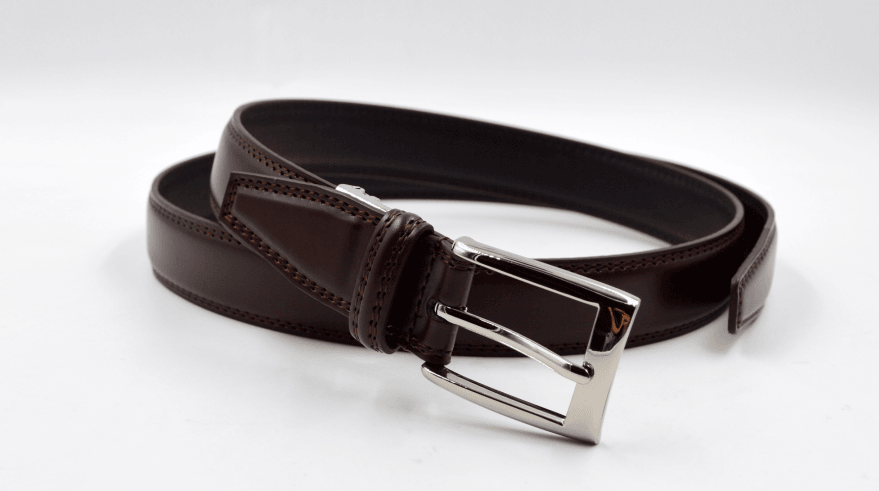
The client wanted a very lightweight buckle.
Reducing weight too much caused screw instability during stress testing. The strap deformed under load.
Screw placement
- Base thickness
- Stress distribution structure
- We conducted load simulation tests before approving the next sample.
Issue 3 — Edge Paint Cracking in Testing
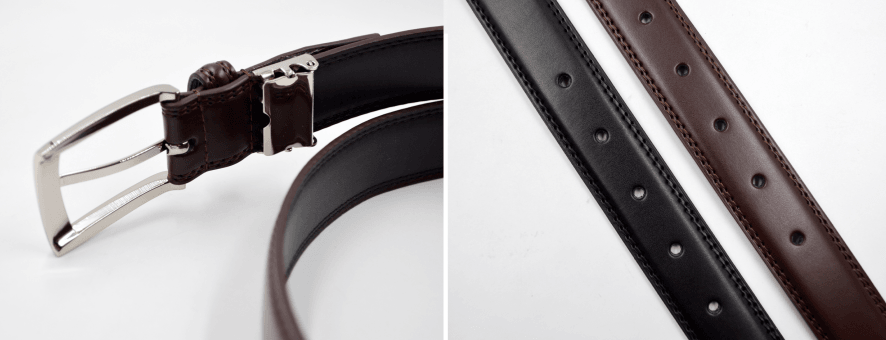
During bending tests, micro-cracks appeared in the second sample.
Instead of debating responsibility, our leather belt factory conducted internal testing:
Flexibility test cycles
- Humidity exposure testing
- Multi-layer edge paint optimization
- We adjusted sanding precision and drying intervals. The third sample passed durability standards.
The Turning Point — Face-to-Face Technical Discussion in Wuhan
At one stage, technical misunderstandings accumulated through email communication.
The client flew to our Wuhan office to discuss in person.
We presented:
Belt cross-section structures
- Hardware weight comparison data
- Leather thickness measurement results
- Full belt manufacturing process charts
Once they understood how belt OEM production works structurally, collaboration became smooth. It shifted from negotiation to partnership.
Every technical detail was clarified.
From Difficult Sampling to Stable Orders

After solving all development issues:
Production ran smoothly
- No structural complaints
- Stable delivery schedule
- This year, the same Japanese client placed orders for five new belt designs.
They continued because they now trust our custom belt manufacturer system.
What Makes Sunteam Different
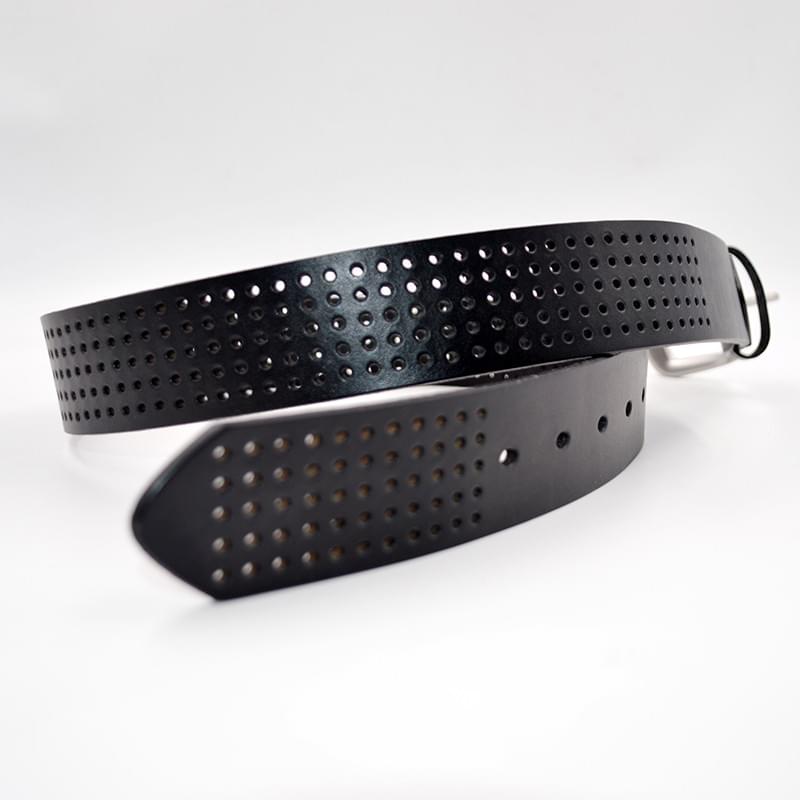
At Sunteam, we do not simply assemble belts.
As a professional leather belt manufacturer, we control:
Leather sourcing and thickness precision
- Internal reinforcement engineering
- Buckle compatibility testing
- Edge durability systems
- Pre-production stress simulation
- Our approach to belt manufacturing is preventive, not reactive.
We solve structural problems before they reach the market.
A Good First Sample Is Never Luck
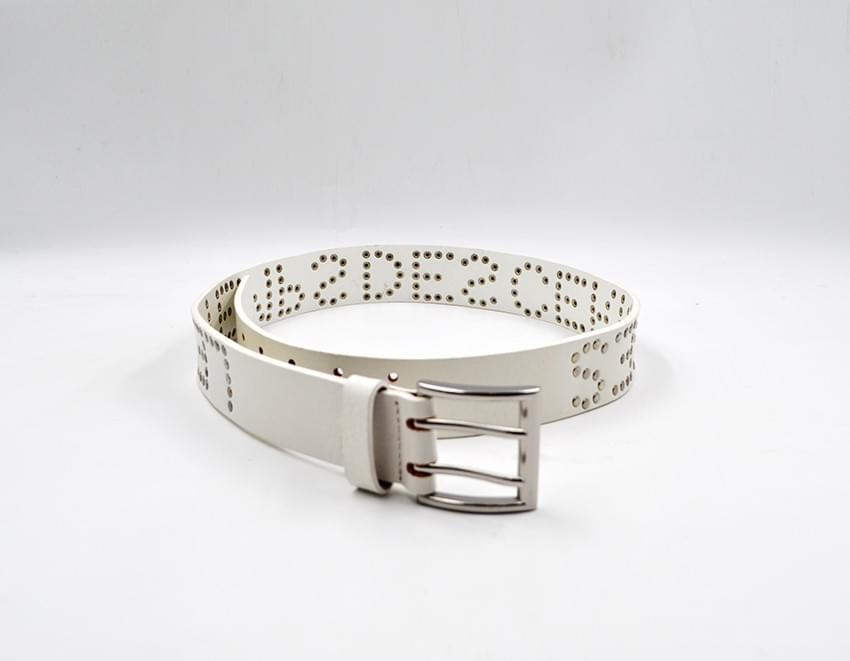
If your first belt sample failed, it does not mean your design is wrong.
It means you need an experienced belt OEM factory that understands structure, testing, and durability.
At Sunteam, we guide brands from first belt sampling to stable bulk production.
Because in professional custom leather belt manufacturing, trust is built through technical problem-solving — not promises.
If you are planning to develop a new belt line and need a reliable belt manufacturer, we are ready to support your project from concept to shipment.